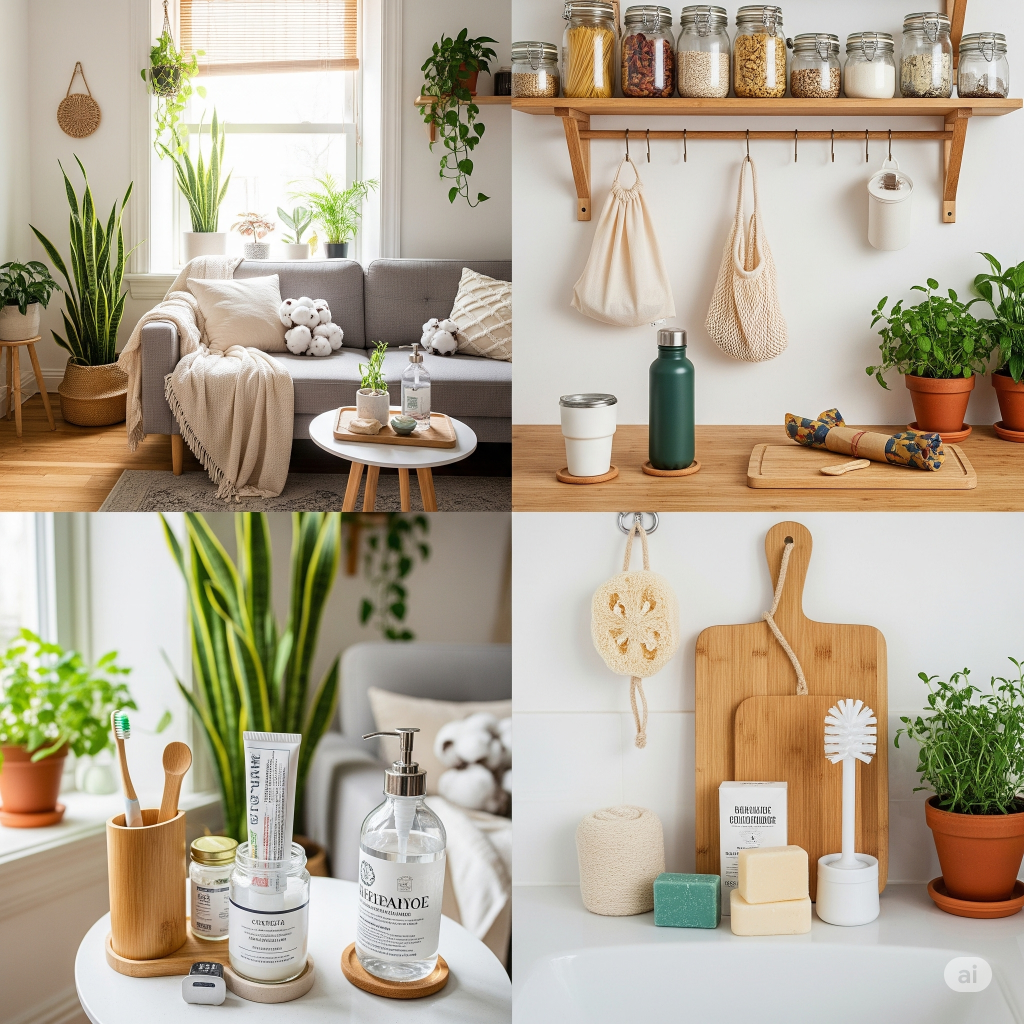
In our modern world, the health of our homes and the health of our planet are intrinsically linked. The products we use, the materials we surround ourselves with, and the energy we consume within our four walls have a direct impact not only on our well-being but also on the environment around us. Fortunately, embracing a more eco-friendly lifestyle doesn’t require drastic overhauls. Small, conscious changes can accumulate into significant positive effects for both your health and the environment.
This blog post will explore seven easy eco-friendly swaps you can make in your home that will contribute to a healthier living space and a more sustainable future. These are practical changes, achievable in any household, regardless of budget or location. Let’s delve into these simple yet powerful adjustments.
Ditch Single-Use Plastics for Reusables:
The sheer volume of single-use plastics polluting our planet is staggering. From disposable water bottles and coffee cups to plastic food wrap and shopping bags, these items contribute significantly to landfill waste and ocean pollution, ultimately impacting ecosystems and potentially our own health through microplastic contamination. The good news is that numerous stylish and practical reusable alternatives are readily available.
- Swap Plastic Water Bottles for Reusable Water Bottles: Invest in a durable, reusable water bottle made from stainless steel, glass, or BPA-free plastic. Keep it with you and refill it throughout the day. This simple switch eliminates the need for countless single-use plastic bottles and ensures you always have access to fresh water. Consider having a few on hand for family members and guests.
- Replace Disposable Coffee Cups with Reusable Coffee Mugs: If you’re a regular coffee drinker, a reusable coffee mug is an essential eco-friendly swap. Many coffee shops even offer discounts for customers who bring their own mugs. Choose a mug that keeps your beverage hot (or cold) and fits comfortably in your hand.
- Say Goodbye to Plastic Shopping Bags with Reusable Tote Bags: Keep a collection of reusable shopping bags in your car, handbag, or by the front door. Opt for sturdy bags made from canvas, cotton, or recycled materials. Not only are they better for the environment, but they’re also often stronger and more comfortable to carry than flimsy plastic bags. Remember to wash them regularly to keep them clean.
- Trade Plastic Food Wrap for Reusable Food Containers and Beeswax Wraps: Instead of single-use plastic wrap, invest in a set of airtight reusable food containers in various sizes. These are perfect for storing leftovers, packing lunches, and organizing pantry staples. For wrapping sandwiches, cheese, or produce, consider beeswax wraps. These reusable, biodegradable wraps are made from cotton fabric coated in beeswax, jojoba oil, and tree resin. They mold to the shape of your food and can be washed and reused for months.
- Opt for Reusable Produce Bags: When buying fruits and vegetables, skip the thin plastic produce bags and use reusable mesh or cloth bags instead. These lightweight bags are washable and will help reduce plastic waste at the grocery store.
By consciously choosing reusable alternatives over single-use plastics, you’ll not only minimize your environmental footprint but also potentially reduce your exposure to harmful chemicals that can leach from some plastics into food and drinks.
Embrace Natural and Non-Toxic Cleaning Products:
Embrace Natural and Non-Toxic Cleaning Products:
Many conventional cleaning products contain harsh chemicals, volatile organic compounds (VOCs), and synthetic fragrances that can irritate the skin, eyes, and respiratory system. These chemicals can also be harmful to aquatic life when they go down the drain. Fortunately, effective and eco-friendly cleaning alternatives are readily available.
- Make Your Own Cleaning Solutions: Many common household ingredients like vinegar, baking soda, lemon juice, and essential oils can be used to create powerful and natural cleaning solutions. For example, a mixture of equal parts white vinegar and water makes an excellent all-purpose cleaner. Baking soda is a great natural abrasive for scrubbing, and lemon juice can help cut through grease and deodorize. Numerous recipes for DIY cleaning products can be found online.
- Choose Eco-Friendly Commercial Cleaning Products: If you prefer store-bought options, look for brands that use plant-based ingredients, biodegradable formulas, and minimal packaging. Avoid products that contain chlorine bleach, ammonia, phthalates, and synthetic fragrances. Look for certifications like the EPA Safer Choice label.
- Simplify Your Cleaning Routine: Often, we use far more cleaning products than necessary. Consider streamlining your routine and focusing on multi-purpose cleaners that can tackle various tasks. This reduces the number of bottles and chemicals in your home.
Switching to natural and non-toxic cleaning products creates a healthier indoor environment by reducing your exposure to harmful chemicals and improving air quality.
Improve Indoor Air Quality with Plants:
Indoor air can often be more polluted than outdoor air due to the off-gassing of synthetic materials, cleaning products, and poor ventilation. Houseplants are a natural and beautiful way to improve indoor air quality.
- Plants Filter Air Pollutants: Certain houseplants are known for their ability to filter common indoor air pollutants such as formaldehyde, benzene, and trichloroethylene. Some excellent air-purifying plants include snake plants, spider plants, pothos, peace lilies, and aloe vera.
- Plants Increase Humidity: Dry indoor air can irritate the respiratory system and dry out skin. Plants release moisture into the air through transpiration, helping to maintain a more comfortable and healthy humidity level.
- Plants Enhance Well-being: Studies have shown that being around plants can reduce stress, improve mood, and increase productivity. Adding greenery to your home creates a more calming and inviting atmosphere.
Consider incorporating a variety of houseplants into different rooms of your home to reap the air-purifying and mood-boosting benefits. Research the specific needs of each plant to ensure they thrive in your indoor environment.
Save Engergy with smart lighting and practices:
Energy consumption has a significant impact on the environment, contributing to greenhouse gas emissions. Reducing your energy usage at home not only benefits the planet but also saves you money on your electricity bill. Lighting is one area where simple swaps can make a difference.
- Switch to LED Light Bulbs: LED bulbs are significantly more energy-efficient than traditional incandescent or even CFL bulbs. They use up to 75% less energy and last much longer, reducing the need for frequent replacements. While the initial cost may be slightly higher, the long-term savings are substantial.
- Utilize Natural Light: Make the most of natural daylight by opening curtains and blinds during the day. Position furniture to take advantage of natural light and reduce the need for artificial lighting. Consider installing sheer curtains or light-filtering window coverings to diffuse harsh sunlight while still allowing light to enter.
- Use Task Lighting: Instead of illuminating an entire room, use task lighting such as desk lamps or floor lamps to focus light where you need it most. This allows you to reduce the overall wattage of lighting used.
- Turn Off Lights When Leaving a Room: This may seem obvious, but it’s a simple habit that can save energy over time. Make it a conscious effort to switch off lights when you leave a room, even for a short period.
- Consider Smart Lighting Systems: Smart lighting systems allow you to control your lights remotely, set timers, and even adjust brightness based on occupancy. This can further optimize energy usage and provide added convenience.
By adopting energy-efficient lighting practices, you can reduce your carbon footprint and lower your energy bills.
Choose sustainable and natural home goods:
The materials used in our furniture, textiles, and decor can have a significant impact on both our health and the environment. Opting for sustainable and natural materials is a healthier and more eco-friendly choice.
- Look for Furniture Made from Sustainable Wood: When purchasing new furniture, consider pieces made from sustainably harvested wood, such as bamboo or FSC-certified wood. Avoid furniture made from particleboard or MDF that may contain formaldehyde.
- Choose Natural Textiles: Opt for natural fabrics like organic cotton, linen, hemp, and wool for bedding, towels, and upholstery. These materials are breathable, durable, and often produced with fewer harmful chemicals than synthetic fabrics.
- Select Non-Toxic Paints and Finishes: Conventional paints and varnishes can release VOCs into the air for years. Choose low-VOC or no-VOC paints and natural wood finishes to improve indoor air quality.
- Consider Secondhand and Upcycled Items: Buying secondhand furniture and decor not only reduces the demand for new resources but also gives existing items a new lease on life. Upcycling old items can be a creative and sustainable way to personalize your home.
By consciously choosing sustainable and natural home goods, you can reduce your exposure to harmful chemicals and support environmentally responsible practices.
REDUCE WATER CONSUMPTION:
Water is a precious resource, especially in regions like South Africa where water scarcity can be a concern. Implementing water-saving measures in your home is both environmentally responsible and can lower your water bills.
- Install Water-Efficient Fixtures: Consider installing low-flow showerheads, faucets, and toilets. These fixtures are designed to reduce water consumption without compromising performance.
- Fix Leaky Faucets and Toilets: Even small leaks can waste significant amounts of water over time. Regularly check your faucets and toilets for leaks and repair them promptly.
- Take Shorter Showers: Reducing your shower time by just a few minutes can save a considerable amount of water.
- Use a Rain Barrel for Watering: Collect rainwater in a rain barrel to water your garden and outdoor plants. This reduces your reliance on municipal water.
- Water Your Garden Efficiently: Water your plants deeply and less frequently, preferably in the early morning or late evening to minimize evaporation. Consider using soaker hoses or drip irrigation systems.
By adopting water-saving habits and installing efficient fixtures, you can contribute to water conservation and reduce your water bills.
Compost food scraps and yard waste:
Food scraps and yard waste make up a significant portion of landfill waste. Composting these organic materials not only reduces landfill burden but also creates a nutrient-rich soil amendment for your garden.
- Start a Compost Bin: You can purchase a compost bin or build your own. Layer brown materials (such as dried leaves, cardboard, and newspaper) with green materials (such as fruit and vegetable scraps, coffee grounds, and grass clippings).
- Vermicomposting: If you have limited outdoor space, consider vermicomposting, which uses worms to break down food scraps.
- Use Compost in Your Garden: Compost improves soil structure, retains moisture, and provides essential nutrients for plant growth, reducing the need for synthetic fertilizers.
Composting is a simple yet effective way to reduce waste, create a valuable resource, and connect with the natural cycle of decomposition.
Making your home healthier and more eco-friendly doesn’t have to be an overwhelming task. By implementing these seven easy swaps, you can gradually transform your living space into a haven of well-being while contributing to a more sustainable future and beyond. Each small change, from ditching single-use plastics to composting food scraps, makes a difference. Embrace these simple steps and enjoy the benefits of a healthier home and a healthier planet. Start with one or two swaps that resonate with you and gradually incorporate more as you go. The journey towards a more eco-friendly lifestyle is a continuous one, and every positive step counts.